
Josephine's Joy
How she led me to freedom

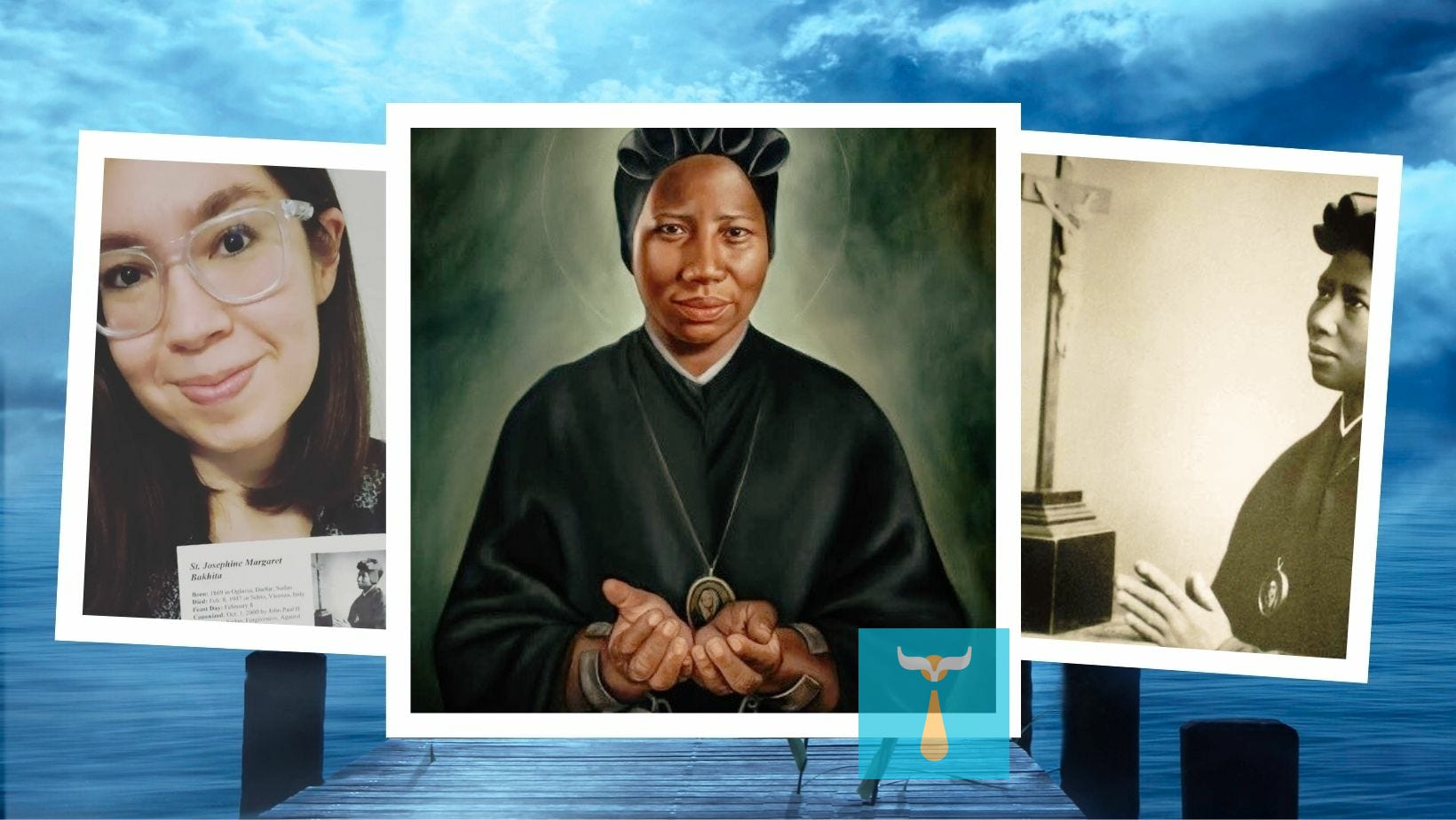
Dear friend,
When we struggle to hope, when we look with pain at the past, and when we are weary in the present, we can look to Josephine.
This was the name she took for herself — Giuseppina, to be specific. She couldn’t remember the name her family had given her in Sudan. The only name she knew was what her slaveholders called her, bakhita, meaning ‘lucky’.
You can listen to me share her story here; a life described as Marvelous by the writer of her biographical account, Ida Zanolini, who had spent hours listening to this remarkable woman recount her life.
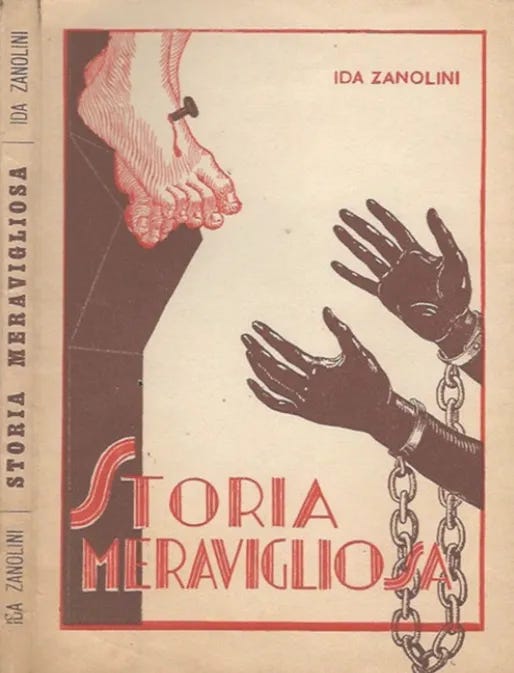
Forcibly kidnapped as a little girl and sold as property multiple times to cruel enslavers, Bakhita finally earned her freedom as a young lady. She’d been sent with the daughter of her latest enslavers to a girls’ school in Italy while they left to pursue business in Africa.
Bakhita began learning from the Canossian Catholic Sisters about Jesus. As she was receiving sacramental formation, her slaveholders sent for her to return to Africa, but Bakhita unexpectedly spoke up for herself, voicing her personal desire to remain in Italy.
Following a legal contest, Bakhita was declared a free woman. Not two months later, she chose a new name for herself — Giuseppina Margherita Fortunata — and received Baptism, First Holy Communion, and Confirmation from the Venetian Cardinal. An onlooker noted that Josephine appeared “transfigured with joy.” From then on, whenever she passed the baptismal font, she would kiss it and say, “Here, I became a daughter of God.”
As a Christian and eventually as a vowed Canossian Sister herself, she spoke with shocking mercy about her captors and slaveholders:
I am praying much for them, that the Lord who has been very good and generous to me may be the same to them, so as to bring them all to conversion and salvation… poor things, they were not wicked; they did not know God, or maybe they did not think they hurt me so much. They were the masters; I was their slave. If I were to meet those who kidnapped me, and even those who tortured me, I would kneel and kiss their hands. For if these things had not happened, I would not have been a Christian and a religious today.
Was Sister Josephine, like many victims of abuse, just so affected by her trauma that she would not lay blame on her abusers?
Invisible Shackles
Almost like clockwork, a year into my marriage, something in my mind changed. I began experiencing panic attacks — triggered by sudden memories of an unhealthy past relationship.
My life became a cycle of hellish pain, which I hid as best I could from most of my family and acquaintances. I was scared and embarrassed. Back then, seeing a therapist still carried a stigma.
One day, however, a quiet, but compelling force in my heart prompted me to call Catholic Charities and make an appointment with a licensed counselor. On the call, my voice stumbled. I held the phone to my ear but felt like I was floating out of my body. As we lived in low-income housing, I was concerned about being able to afford the treatment, but the voice on the other end of the line assured me.
After I hung up the call, I stared at the phone in disbelief and took a deep breath. I walked to the wall calendar that we’d picked up for free in the church foyer. Then, I noticed that it said today was —
February 8, Feast of St. Josephine Bakhita
That’s when I cried.
I knew that Heaven was leading me to freedom, because I knew the story of Sister Josephine.
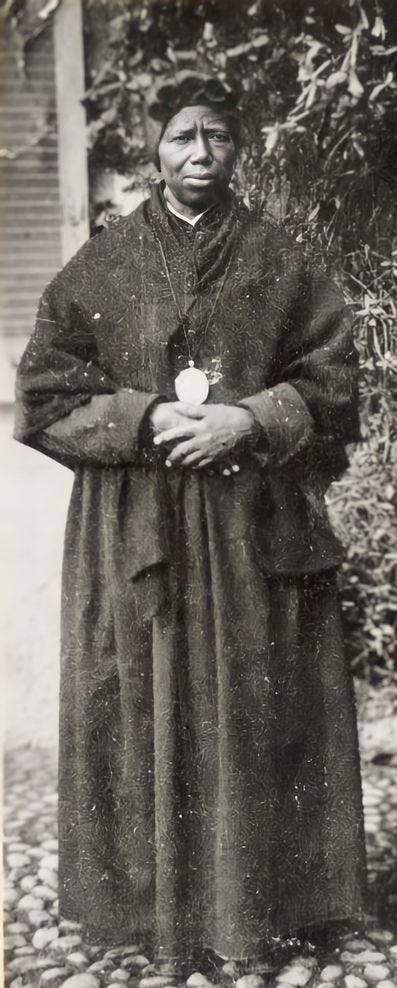
After years of hard work and much prayer surrounding my trauma, I was eventually able to admit that I had been abused. Not everyone gets to that point; many people who have suffered abuse find this truth difficult to name because we have been manipulated so deeply and thoroughly into believing that we were free and at fault, when we were actually, intentionally entrapped.
Reading and meditating upon her words over the years, I’ve concluded that Sister Josephine spoke as an entirely liberated woman. She experienced an interior transformation so profound that she could love even those who had ripped her from her family at knifepoint, mutilated her thirteen-year-old body, and declared a legal war to treat her as property.
“When people hear my story, they keep saying ‘poor thing, poor thing’... I am not a poor thing. I belong to the Lord, I am living in his house. It is those who are not wholly the Lord’s who are poor things.”
— St. Giuseppina Margherita Fortunata
The only way anyone can arrive at such a destination is through the God who is Love. Jesus taught about mercy by shocking his listeners; telling a story about an outcast and ‘enemy’ Samaritan who was merciful to a stranger, while clergy ran away. He indicated that his followers should forgive ‘seventy times seven times’ — symbolizing an unlimited number beyond perfection. Finally, he prayed as his mutilated body hung in a crooked, public execution; “Father, forgive them. They know not what they do.”1
It is not in our power not to feel or to forget an offense; but the heart that offers itself to the Holy Spirit turns injury into compassion and purifies the memory in transforming the hurt into intercession. (Catechism of the Catholic Church, no. 2843)
We are called to walk justly and humbly. Josephine advocated for herself legally, and she won her freedom, but I believe she had seen freedom before that court declaration. Knowing Jesus gave her hope and a joy she’d never before experienced… the kind so powerful that it is still healing and transforming the world through her heart to this very day and moment, as you read this letter.
The Names of Jesus and God, the Christian Scriptures and identity, are being tossed around very casually these days.
I am challenged today to practice my Catholic Christian faith by speaking up for the oppressed and by forgiving those who offend me.
I am challenged to live in such closeness with the God who is Love that those around me see the fruits;
…the fruit of the Spirit is love, joy, peace, patience, kindness, generosity, faithfulness, gentleness, self-control. — Galatians 5:22
Striving alongside you,
Angela
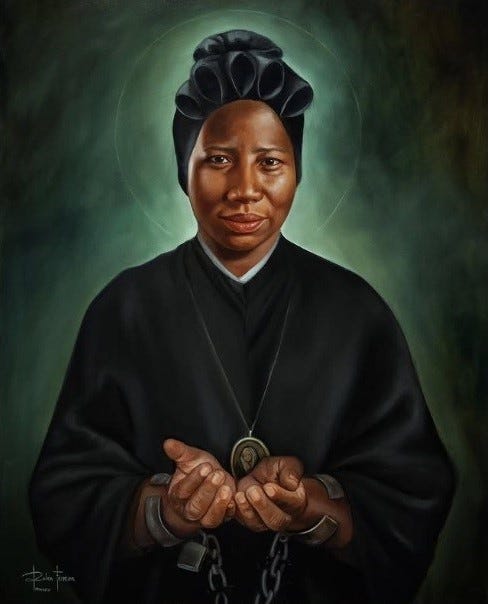
Dear Sister Josephine, I love you. Pray for us.
Luke 23:34
Thank you for sharing. My middle name is Josephine and I have had an interesting relationship with what the name represented due to a tv commercial featuring a Josephine character cleaning a toilet. Hearing this story and knowing more about St. Josephine allows me to now to strive to live as she did seeing my trauma differently. I appreciate the reference to compassion. As I’ve now come to recognize it as a warm hearted feeling toward others that encourages a desire to reduce their suffering. Thank you again for your profound sharing. You are a blessing Angela.
Thank you for what you have shared and taught me today, Angela. What a gift!!